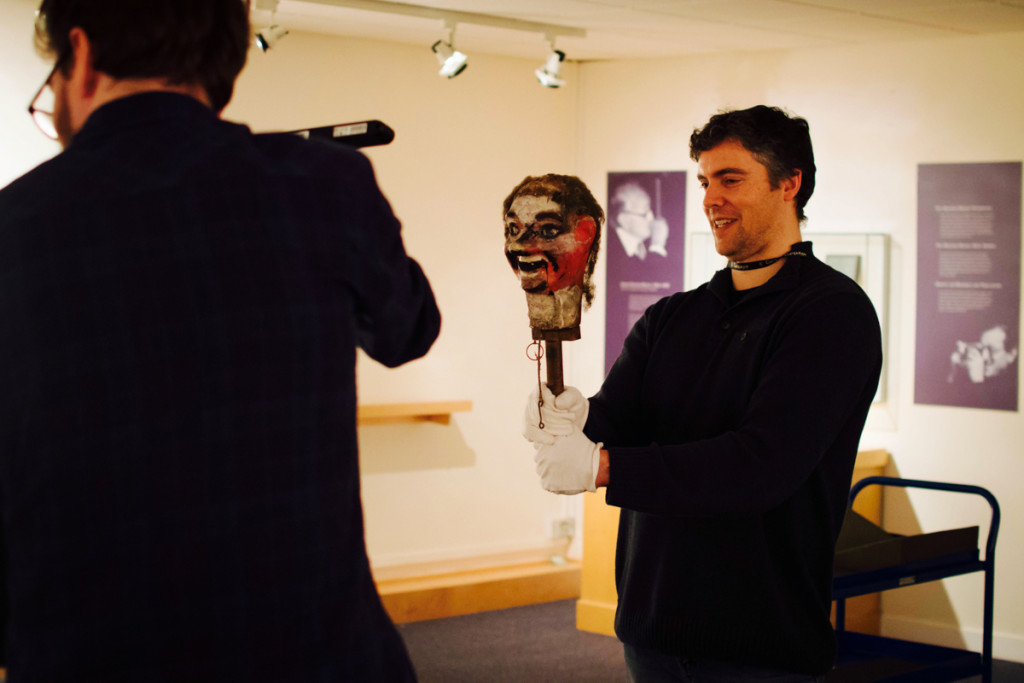
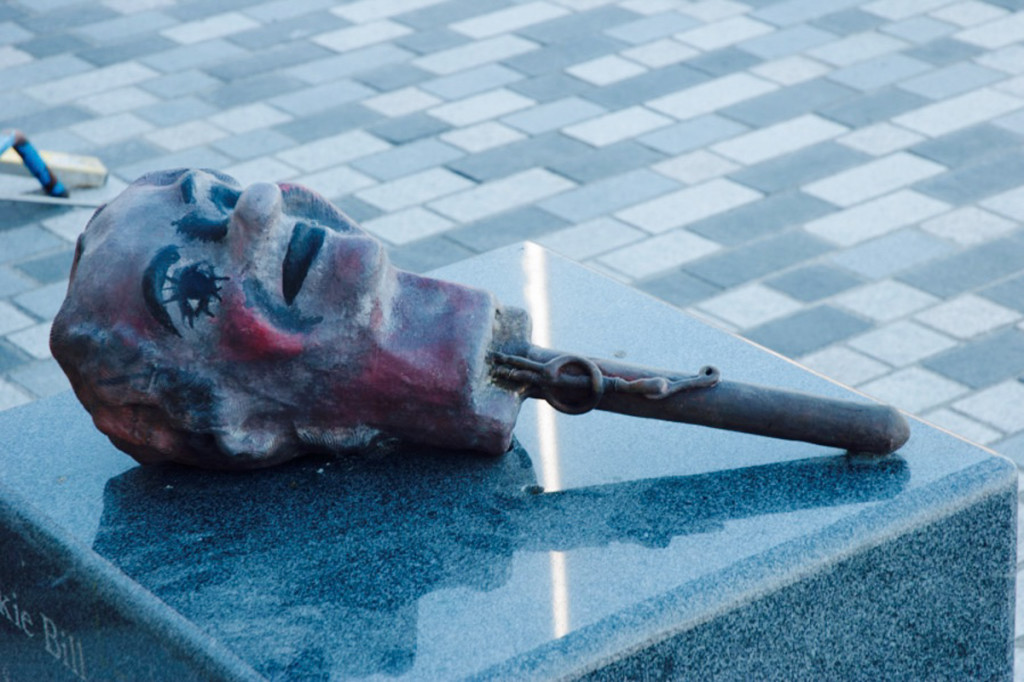
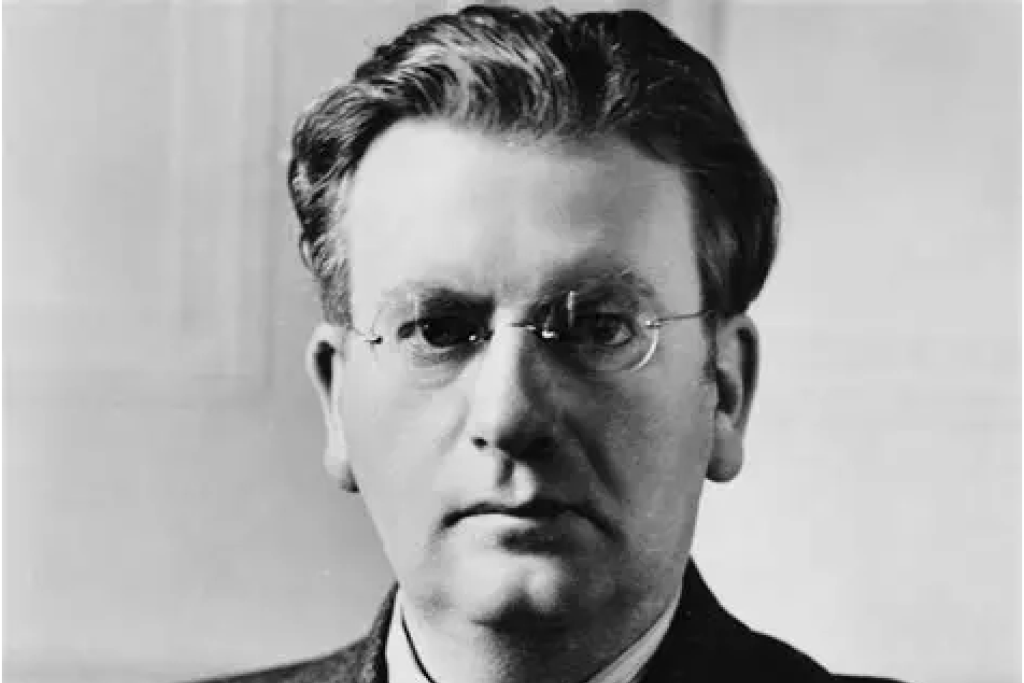
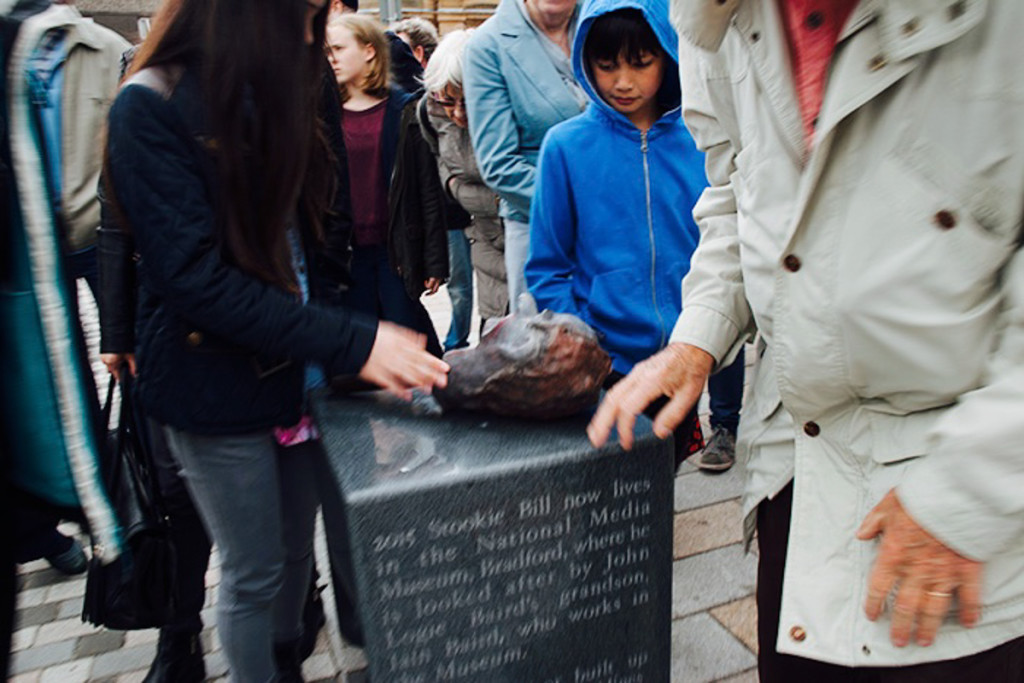
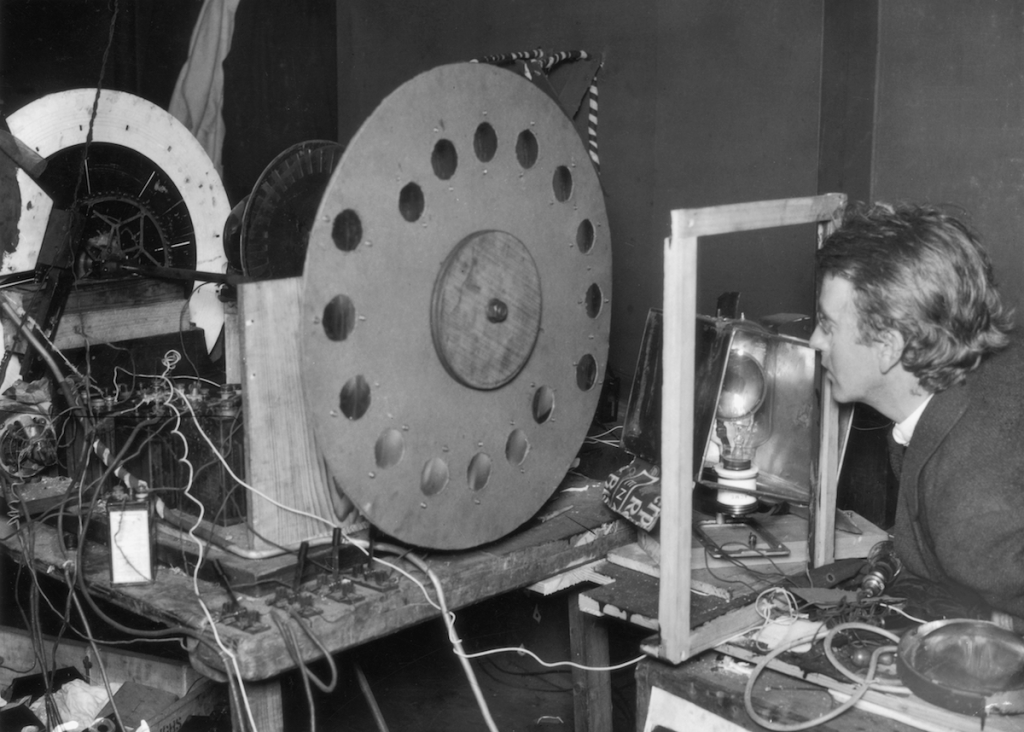
Stookie Bill played a fascinating role in the early development of television. He was a ventriloquist’s dummy used by Helensburgh born engineer, John Logie Baird, during his pioneering experiments in mechanical television in the 1920s.
Stookie Bill was a plaster cast dummy head with exaggerated facial features which made it easier for Baird’s rudimentary television system to pick up contrasts in light and shadow. The name “Stookie” comes from Scots slang, meaning “plaster cast” (often used for a stiff or expressionless face).
WHY DID BAIRD USE STOOKIE BILL?
Baird’s early mechanical television system (using spinning disks with holes, called a Nipkow disk) had very low resolution and struggled to transmit live human faces clearly due to poor sensitivity.
Stookie Bill’s high-contrast features (painted eyes, dark hair, and bright face) made him an ideal test subject—much easier to transmit than a real person under dim, flickering light.
Later, Baird also used another dummy head named “James” (sometimes called “Stookie Bill’s brother”) for further experiments.
STOOKIE BILL'S ROLE IN TV HISTORY
In 1925, Baird successfully transmitted a recognizable image of Stookie Bill’s face using his mechanical television system.
This was a key step toward Baird’s first public demonstration of television in 1926, where he transmitted the face of a real person (office worker William Taynton) at his London lab.
Stookie Bill’s use highlights the challenges of early TV – crude technology required simple, high-contrast subjects before moving to live humans.
HELENSBURGH'S CONNECTION TO BAIRD
Baird was born at 8 High Street, Helensburgh, on August 13, 1888. His father was a clergyman at the local parish church.
The house (now a private residence) has a commemorative plaque marking his birthplace.
LEGACY
Stookie Bill is now a quirky footnote in TV history, symbolizing the ingenuity (and limitations) of early television experiments.
Baird’s mechanical system was eventually surpassed by electronic television (developed by Philo Farnsworth and others), but his work laid important groundwork.
EARLY EXPERIMENTS IN HELENSBURGH
As a boy, Baird was fascinated by electricity and engineering. He reportedly rigged up a makeshift telephone line between his house and a friend’s using biscuit tins and wire.Though his major TV breakthroughs happened later in England (Hastings and London), his curiosity was nurtured in Helensburgh.
HELENSBURGH'S INFLUENCE ON BAIRD'S WORK
The town’s dark, misty climate may have indirectly influenced Baird’s later focus on light-sensitive materials key to his mechanical TV system.
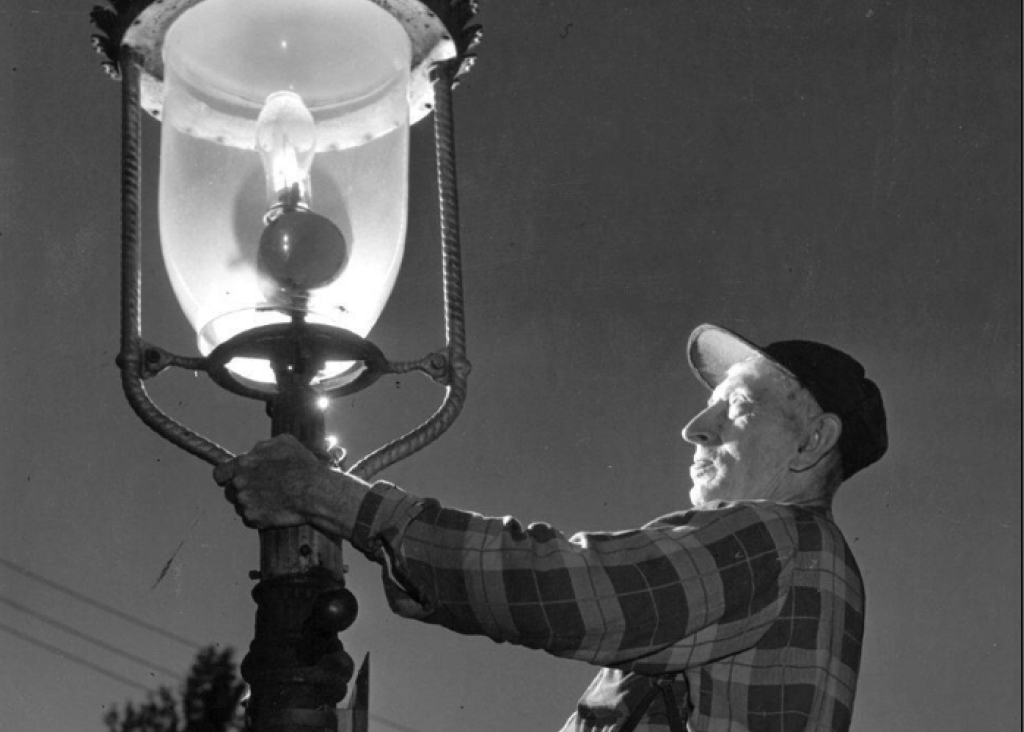
Some speculate that the gas lighting in his childhood home (which flickered and cast shadows) could have sparked his interest in image transmission.